
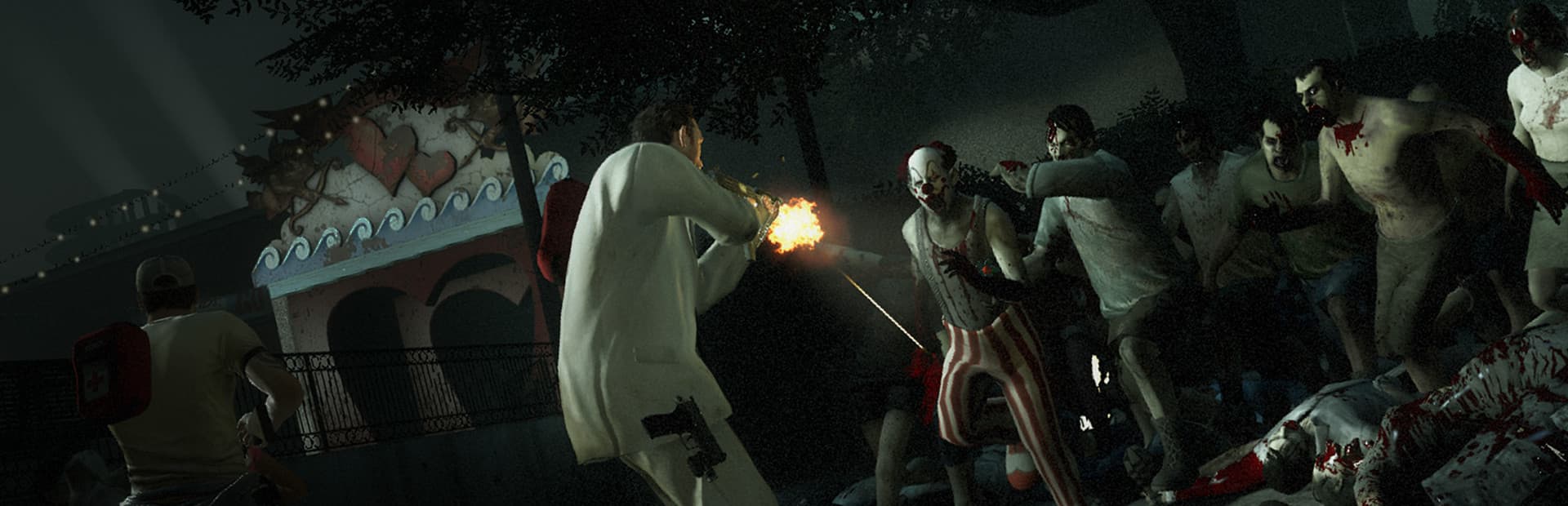
Left 4 Dead 2
You want cooperative action with a clear route and immediate team decisions
Cross five zombie-filled campaigns as a team of four, balancing quick firefights and forward movement with helping companions who get separated or pinned down.

Dead by Daylight is an online asymmetrical horror game: one Killer hunts while four Survivors coordinate, repair generators and look for a way out.
Checked on Steam October 31, 2026Check on Steam
Dead by Daylight suits players who enjoy tense chases and reading an opponent in short, unpredictable matches against other people. The main trade-off is that each round depends heavily on teammates and the Killer, so a bad match can feel out of your hands, and the growing roster can make early games confusing. Players who want a scripted story or a quiet horror experience should skip it.
Dead by Daylight turns horror into an uneven contest: one player is the Killer and four others are Survivors trying to escape. Survivors share the work of repairing generators, avoiding detection, rescuing one another and opening an exit. The Killer has a different view of the same match: find the team, interrupt repairs and catch Survivors before they get away. The tension comes from those opposing jobs, because every chase buys one side time while putting the other side at risk.
As a Survivor, running can help you escape but leaves signs the Killer can follow; walking, crouching, hiding and using windows or pallets can change the chase. Teammates can speed up a generator by working together, yet grouping up also means the Killer may find several players at once. A Killer must decide whether to commit to a chase or protect generator progress elsewhere. Distinct character powers and perks alter those choices, so learning the basic role first matters more than copying a popular build.
Pick Dead by Daylight if you like unpredictable matches, mind games and learning from other players’ decisions. It can be a poor fit if you want a self-contained story campaign, a quiet horror game or a guaranteed fair-feeling round every time. The roster and add-on catalog can make a newcomer feel behind, and online play means each match depends on other people. Steam also flags online interaction and in-game purchases; check those details if competitive chat or additional content matters to you.
Start by choosing one side for several matches so you can learn its basic pressures. Survivors should watch how generators, hiding places and chase routes relate to one another; a safe loop can help the team even when you are not repairing. Killers can first learn one power and the situations where it helps instead of switching characters after every loss. The official guide describes the survivor goal as repairing five of seven generators, but special modes can use different rules, so check the mode before planning a match.
Wait before buying if you expect a fair, predictable round every time. Each match puts you with strangers, so one teammate who disconnects or ignores repairs can decide the outcome early, and a Killer with a strong power can end your run quickly. Learning either role takes several matches, so the first session rarely shows what the game is about. Losing streaks can also be hard to shake, which makes it worth going in with patience. Survivors hooked a third time are sacrificed, so a single bad chase can end a run early.
Steam lists Windows as the only platform, so Mac and Linux players cannot run it. Controller support is full and the Steam Deck is verified, which matters if you plan to play away from a desk. Online player-versus-player is the core mode and there is no single-player option, so you will always need an internet connection and other people online. Cross-platform play is listed. The store shows 40 DLC entries, so the base game is only the starting point. Korean covers the interface and subtitles, not voice audio, while Japanese includes full voice audio.
Phasmophobia is the closest comparison, but the two games reward different habits. Phasmophobia has no opponent: you collect evidence in a haunted site and decide when to leave. Dead by Daylight places a live player against you in every match, so the Killer wins by catching Survivors before the exit opens, and each round becomes a clear race. Choose Dead by Daylight if you enjoy direct pressure and reacting to an opponent; choose Phasmophobia if you prefer deduction without a rival player.
As a Survivor, learn when to repair, hide or draw a chase away from teammates. As a Killer, focus on one character’s power before trying to master the entire roster.
It is an online competitive game with a large, changing roster and purchasable add-ons. Horror, gore and being chased are central to the experience.
Left 4 Dead 2 is the better pick if you want cooperative shooting against enemies controlled by the game, with less reliance on guessing another player's intentions.
Deep Rock Galactic suits players who want structured co-op missions with defined roles and no hostile player hunting them.
Yes. Steam rates Dead by Daylight Steam Deck Verified, so it should run and control well with the default settings.
Yes. Steam lists full controller support for Dead by Daylight.
Yes. Steam lists online co-op, online PvP.
Patch notes and the official wiki list the current rules. Special modes can change the goal, so check the mode you picked before the match starts.
You want cooperative action with a clear route and immediate team decisions
Cross five zombie-filled campaigns as a team of four, balancing quick firefights and forward movement with helping companions who get separated or pinned down.

You enjoy deduction and choosing tools as much as direct combat
Investigate haunted locations alone or with up to three online teammates, using ghost-hunting equipment to collect evidence and identify the entity.
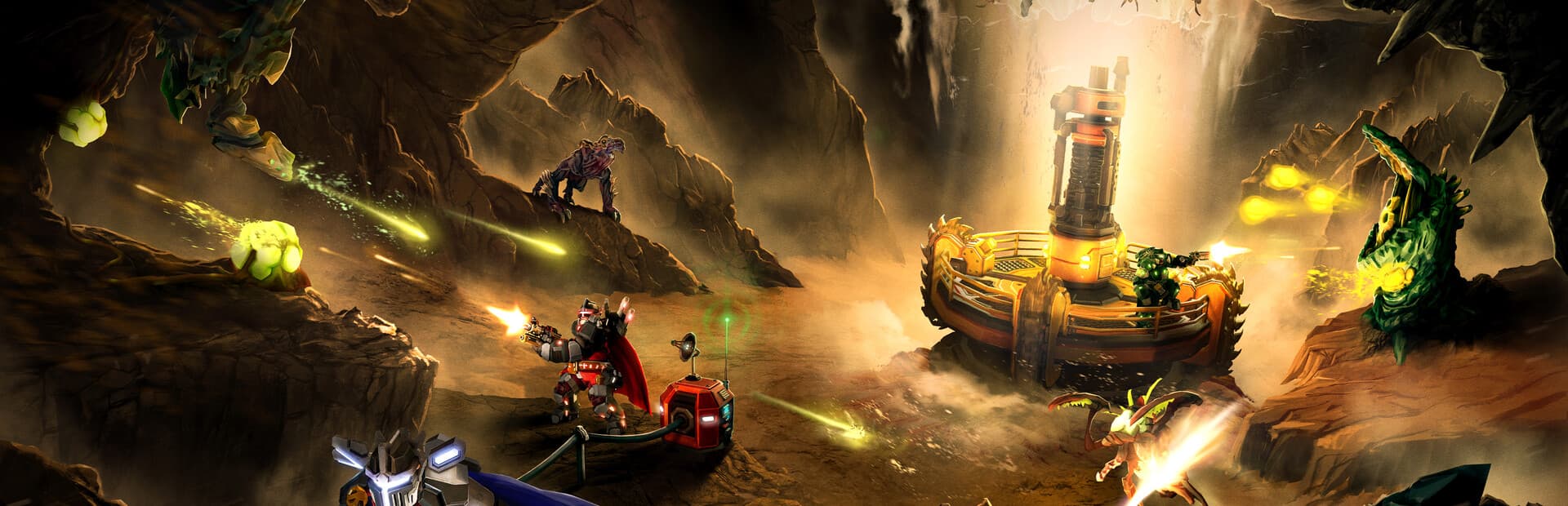
Co-op where classes solve different parts of a mission
Mine through changing caves, fight alien swarms and get the whole crew back. Each class brings tools that change how the team moves.