How the game actually plays
Sekiro: Shadows Die Twice is a single-player action adventure about Wolf's attempt to rescue the Divine Heir. The moment-to-moment loop moves between finding a route through Ashina, removing threats quietly when the layout allows, and facing a dangerous opponent directly. A duel is not simply about emptying a health bar: attacks and well-timed deflections build the enemy's Posture, and breaking that stance creates a brief Deathblow opening. This changes the question from “How do I land one huge hit?” to “How do I keep enough pressure to make the next opening happen?”
A deflection is more than a safer block. Press guard just before a blow lands and Wolf can avoid the hit while putting pressure on the opponent's Posture; a successful deflection may also let you answer with a Counter-slash. Your own Posture matters too, so holding guard without thinking is not a universal answer. Lock on, watch the opponent's movement, and learn when to attack, deflect, or reset your position. The satisfying moment is often a short exchange that ends in a Deathblow, not a long retreat followed by one risky swing.
The path to a duel can shape how difficult it feels. Sekiro combines stealth with vertical movement, and the Shinobi Prosthetic's grappling hook reaches high ground and other places that are otherwise inaccessible. When an area gives you room, look around before charging into the largest enemy: you may be able to use rooftops, remove a weaker lookout, or arrive from a more useful angle. Those choices do not replace learning the main fight, but they can reduce the distractions around it. Route-finding and combat are connected parts of the same encounter.
Wolf's prosthetic arm is a set of situational tools, not just a visual detail. You find Shinobi Tools in the world and have the Sculptor fit them to the arm; up to three can be equipped at once, and using them spends Spirit Emblems. The Loaded Axe can break enemy shields, while other tools can interrupt or disrupt a target. That makes the useful question “What is this enemy making difficult?” rather than “Which tool has the biggest effect?” Try a tool when it answers a clear problem, and remember that emblems also support other techniques.
Progress comes from learning routes and opponents as well as earning skills. Experience opens skills across the Shinobi, Ashina, and Prosthetic Arts trees; Prayer Beads can raise maximum Vitality and Posture. Sculptor's Idols restore health and supplies, recover a resurrection charge, and later provide fast travel between places you have reached. Resurrection can let Wolf stand again after defeat, but it uses a limited charge. Dying without resurrecting can cost experience and sen, Unseen Aid may sometimes prevent that loss, and repeated deaths can bring Dragonrot to characters you have met. It is a recovery option with consequences, not a free restart button.
Sekiro is a good match for players who like focused solo action, readable enemy patterns, and the satisfaction of improving at a specific duel. It can frustrate anyone expecting co-op, a large menu of interchangeable character builds, or fights that become easy simply by staying far away; Steam lists it as single-player and notes frequent violence and gore. For a first session, practise locking on and deflecting against ordinary enemies, look for a route that limits how many opponents engage you at once, and rest at an Idol before a difficult fight. If a duel stalls, change your timing or approach before assuming you need to grind.
Hold off on Sekiro if your sessions come in short bursts and you dread picking up a stuck fight the next evening. Duels are won through a run of exchanges rather than one good moment, so a hard boss may take several sittings to learn. It is also a poor fit if you like to keep your distance and let enemies come to you. Deflection means staying in sword range and pressing at the right instant, and backing off repeatedly only stretches the fight. If repeating the same timing until it feels automatic sounds like a chore, that sameness will wear on you. Players who want to shape a character in several directions should also look elsewhere, since the game's growth is tied to learning routes and opponents rather than a build you assemble.
Steam lists full controller support with Xbox controllers named, and the Steam Deck section reads Verified. Interface, full audio and subtitles are listed for English, French, Italian, German and Spanish (Spain), and the page mentions 13 supported languages in all. The Game of the Year Edition adds Reflection and Gauntlet of Strength boss challenge modes, three unlockable cosmetic skins, and Remnants, where you leave messages and recordings that other players can view and rate. Those extras need a download, and asynchronous multiplayer needs an internet connection. Minimum is 4 GB RAM with a GTX 760 or Radeon HD 7950; recommended is 8 GB with a GTX 970 or RX 570. Both list 25 GB of storage. The OS line still shows Windows 7 and 8, but Steam says its client supports only Windows 10 and later from January 2024.
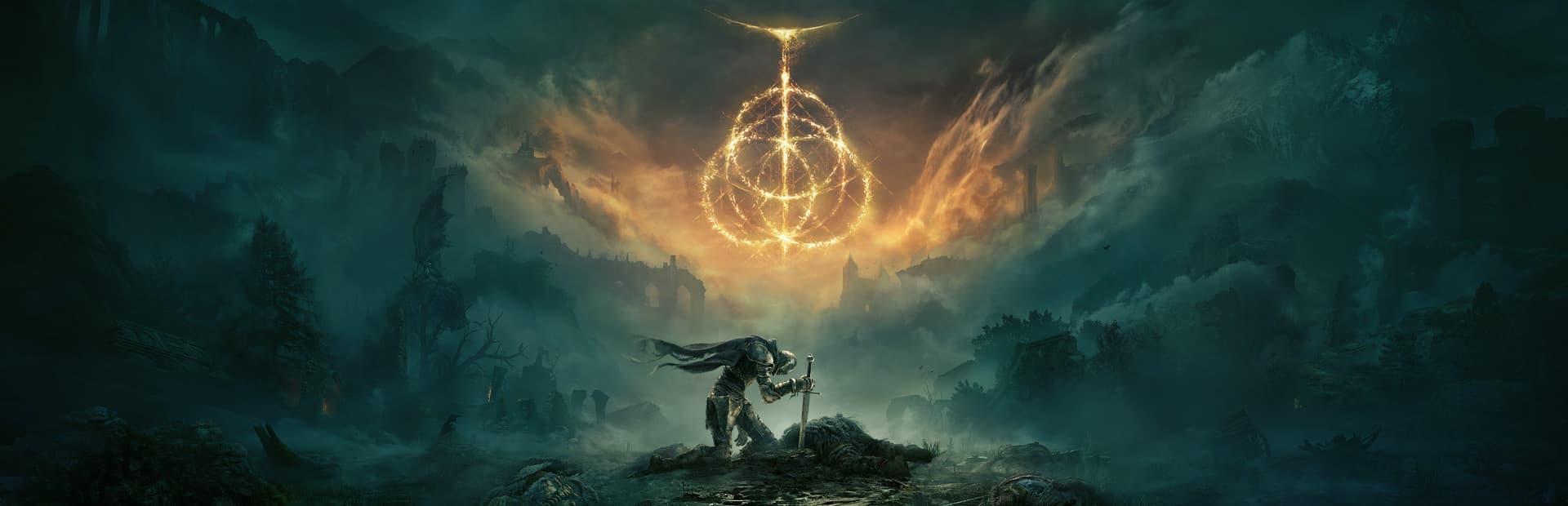
If you come from Elden Ring, the first change you notice is how the world is put together. Elden Ring lets you explore an open world and bring new routes, equipment or approaches to the same obstacle. In our reading, Sekiro is more of a planned path, so most of your attention stays on the duel in front of you. Sifu shares the close-range focus on enemy patterns, but there each resurrection ages the hero, while in Sekiro a defeat spends a limited charge or costs experience and sen if you skip it. Sifu's losses stay with the character. In Sekiro, you rest at an Idol and try the same duel again.
Steam Store: Sekiro: Shadows Die Twice ↗
Activision Support: Sekiro game mechanics ↗
Activision Support: Shinobi Prosthetic ↗
Activision Support: Vitality and Resurrection ↗
Consider it if you want
- A strong fit if you enjoy learning enemy patterns through timing, stealthy approaches, and deliberate one-on-one fights.
- May not suit you if you want co-op, broad character-build choices, or an action game where retreating and dodging can replace close combat.
Lock on to one enemy and watch the posture bars as well as health. Practise alternating a measured attack with a timely deflection, then return to pressure after the exchange. Use stealth to thin a group where the route allows, and save Spirit Emblems for a prosthetic tool that answers a specific problem.
You might prefer something else if
The central skill is timing a deflection while staying within sword range. Repeatedly backing away can make fights longer, while a broken posture can leave Wolf open to follow-up attacks. Some encounters also begin with several enemies nearby, so the approach matters as much as the duel.