

Slay the Spire
Thinking through combat without real-time aiming
Choose cards, relics and routes as you climb a changing tower in Slay the Spire. Battles are turn-based, so the challenge is making a workable deck rather than reacting quickly.

Mewgenics is a single-player tactics roguelite where you build a daily cat squad, position them in turn-based battles and shape future teams through breeding.
Checked on Steam October 31, 2026Check on Steam
Mewgenics suits players who like tactical positioning and want breeding choices to carry across runs. The cute presentation hides mature content, and outcomes can be unpredictable enough to frustrate anyone who wants a reliable plan. Skip it if you want a relaxed cat-care game or the adult humor and sexual content would put you off even with settings adjusted.
Mewgenics combines turn-based cat tactics with a breeding and legacy system. Each day you choose a party from the cats in your house and give them class collars, such as Fighter, Tank or Mage, before sending them into an adventure for food, money and treasure. Battles ask you to think about position, ability combinations and the surroundings rather than relying on quick reactions. A cat that is safe in one space may be exposed after an enemy or environmental effect changes the board, so the order of moves and the shape of the team both matter.
A returning cat can carry experience and scars home, and its traits can contribute to later generations. The next party is therefore connected to decisions made on previous trips: which skills to preserve, which weakness to tolerate and whether a kitten belongs in the house or should be given to an NPC to improve it. Between battles you manage the growing household and its upgrades. The range of abilities, items, classes and mutations creates room to experiment, but the game is deliberately full of unpredictable outcomes; building an ideal squad is a long process rather than a guaranteed recipe.
Choose Mewgenics if you like turn-based tactics and enjoy seeing small choices accumulate into a strange, personal roster. It is single-player and can suit someone who wants to pause over a move, but it is not a gentle cat-raising game. The developers’ content description warns of blood, dismemberment, bodily fluids and humor, swearing, innuendo, and cats mating; that behavior can be disabled in the settings. The cheerful cat presentation can make this contrast easy to miss, so the mature-content note is part of deciding whether it is right for you.
At first, focus on learning what each collar and ability actually does before chasing rare combinations. In a fight, examine the board and the enemies’ positions before spending a move; a safe placement or a useful interaction can matter more than immediate damage. After returning home, compare the new cat’s traits with a future team need before choosing how to use it. If you want a calmer management game centered on keeping pets, choose something else. Pick Mewgenics for tactical battles, breeding choices and deliberately crude adult humor.
Wait if genetic randomness bothers you. Breeding passes traits to the next generation, inbreeding can produce offspring with birth defects, and daily mutations usually trade one stat for another, so a roster takes time to shape. The best fit is someone happy to build a bloodline over many runs rather than expect a clean team right away.
The game runs on Windows only, so Mac and Linux players cannot play it. Steam lists Steam Deck verification and full controller support, so the game works on a handheld with a gamepad. It is single-player only, so there is no online or local co-op to plan around. The only listed DLC is the soundtrack, so there is no expansion to decide about. Korean and Japanese cover the interface and subtitles without full audio. Steam's minimum is 8 GB of RAM, 6 GB of storage and OpenGL 4.4 graphics, and it notes that underpowered machines may run at lower resolution or frame rates.
Slay the Spire is the nearer comparison if you want a roguelike run built around choices, but it builds a deck of cards rather than a team of cats. Its pace comes from card draft and energy management, while Mewgenics puts positioning and inherited traits at the center. Both reward thinking a few moves ahead. Pick Slay the Spire for a tighter loop of drafting and combat, and Mewgenics if the attraction is a roster that changes across generations.
Build the team around how its abilities work together, not only the cats with the highest-looking stats. Read the mature-content description before playing.
The cute look hides explicit mature material, including gore, bodily humor and sexual behavior; some behavior can be disabled in settings.
The Binding of Isaac: Rebirth comes from the same developer, Edmund McMillen, and uses short, item-driven runs with real-time action. Pick it if you want a dungeon feel rather than turn-based cat tactics.
Balatro is a card-scoring roguelite where each hand's numbers are the whole puzzle. Pick it over Mewgenics if you prefer short, math-first runs without a breeding or narrative layer.
Yes. Steam rates Mewgenics Steam Deck Verified, so it should run and control well with the default settings.
Yes. Steam lists full controller support for Mewgenics.
No. Steam lists Mewgenics as single-player only.
Yes, cats that survive a run return to the house hub with their experience and scars, and their traits can pass to later generations. Cats that finish a run are retired and cannot be selected for later runs.
Thinking through combat without real-time aiming
Choose cards, relics and routes as you climb a changing tower in Slay the Spire. Battles are turn-based, so the challenge is making a workable deck rather than reacting quickly.
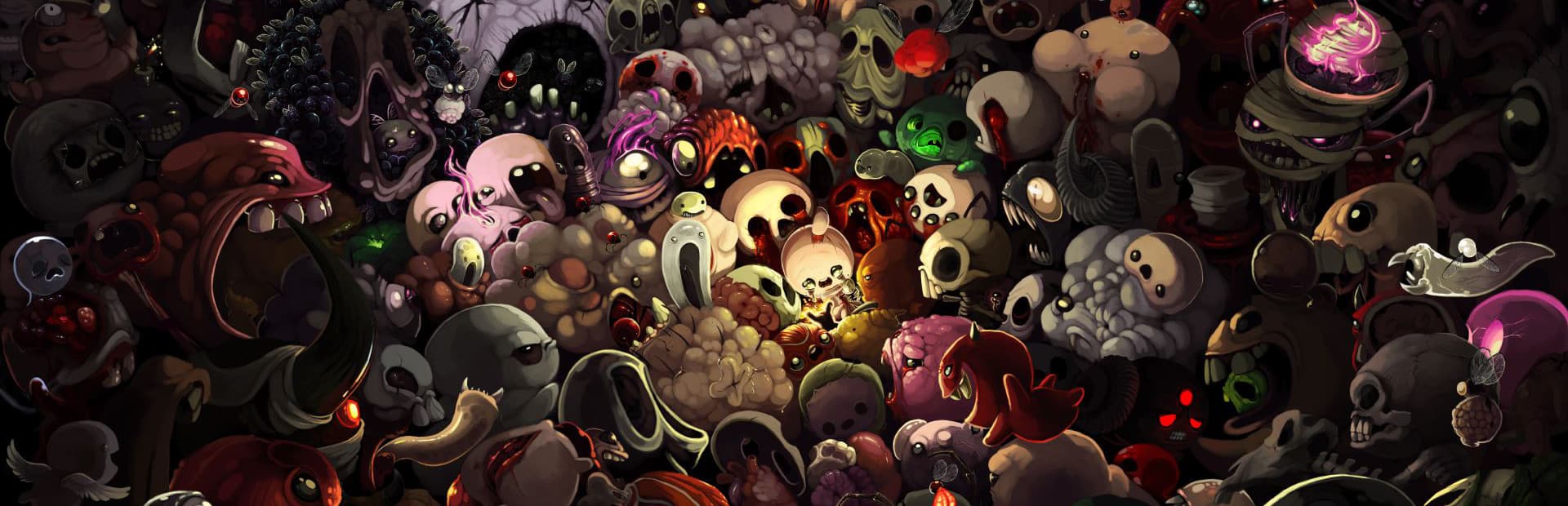
You enjoy discovering how unfamiliar items change a character’s attacks
Fight through randomly generated basement rooms where each pickup changes Isaac’s attack, turning a risky run into a build you learn while playing.

Combining card effects without pressure to react quickly
Balatro uses familiar poker hands as the foundation for a single-player scoring puzzle. Jokers and other modifiers turn the challenge into finding combinations that meet rising score targets.