
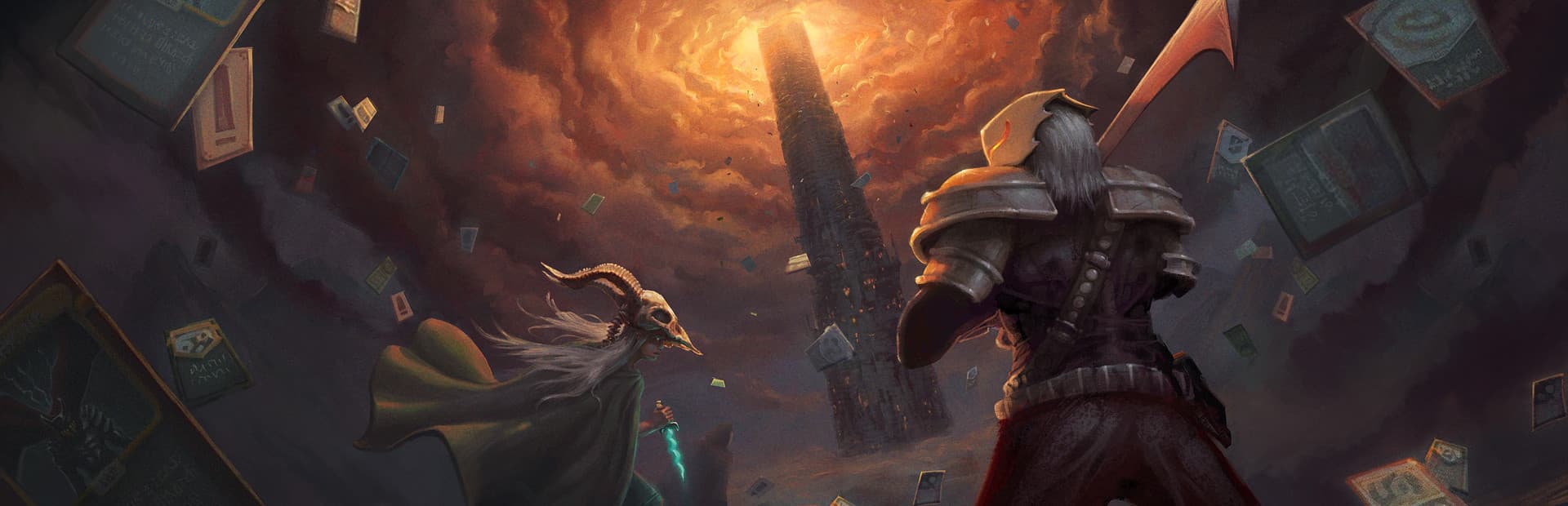
Slay the Spire
Thinking through combat without real-time aiming
Choose cards, relics and routes as you climb a changing tower in Slay the Spire. Battles are turn-based, so the challenge is making a workable deck rather than reacting quickly.

Darkest Dungeon is a turn-based expedition RPG where party formation, health, stress and lasting character flaws matter as much as winning a fight.
Checked on Steam October 31, 2026Check on Steam
Darkest Dungeon suits players who enjoy turn-based tactics and managing a roster that comes back changed after each expedition. The trade-off is brutal attrition: heroes can die permanently, and stress and disease stack up between fights. Skip it if you want a relaxed RPG where familiar characters grow stronger without much real risk of loss.
Darkest Dungeon sends a party of flawed heroes into dangerous places around your family’s estate. Combat is turn-based, but a fight is only one part of an expedition: stress, hunger, disease and the darkness can wear a team down between encounters. The heroes you recruit have different abilities and quirks, so where they stand in the formation affects which actions they can use. Each trip therefore begins with a practical question: which group can handle the threats ahead, and what supplies will help them return?
A successful battle does not erase the strain it caused. Afflictions and quirks can change how a character behaves, while wounds and stress need attention after the expedition. At camp, you can treat injuries or encourage the party; in town, the Tavern and Abbey offer ways to manage stress. Procedural dungeons and permanent character death mean a plan can go wrong in a way that changes the roster you have for the next trip. The management between missions is part of the game’s pressure, not just a menu between fights.
This is a strong fit if you enjoy turn-based tactics where placement, ability combinations and the condition of the whole party shape your choices. Its gothic art and narration build a distinctive mood, but the difficult progression is not designed to make every loss feel fair or reversible. A recruit can die, stress can become a problem, and random events can damage a plan you thought was sound. If you want a relaxed RPG where familiar characters steadily become stronger, the game’s attrition and uncertainty may be more frustrating than compelling.
Before an expedition, read the position requirements on each hero’s skills and make sure the party can reach the enemy rows it needs to target. Carry supplies with the route and likely dangers in mind instead of spending all your resources on damage. When the group returns, decide who needs treatment or rest before hiring more heroes for the next trip. A useful early lesson is that retreating with a surviving team can preserve a roster; a little less loot may be better than risking everyone to finish one more room.
Look at what the content adds before you commit. Seven add-ons exist, including a horde mode and a player-versus-player arena, and the newest, The Fire's Edge, arrived in August 2026 with two new classes. Mods are also active, with a Mod Manager being updated and weekly showcases featuring new heroes, so the game keeps changing after purchase.
This is a single-player game only, so there is no co-op or versus mode to plan around. Steam Deck is verified, and the game runs on Windows, macOS and Linux. Controller support is partial, so some menus and actions may still need a mouse and keyboard, which matters more than usual in a game with long management screens. Korean and Japanese cover the interface and subtitles, and the store lists seven add-ons. Steam Cloud saves are supported, so your progress can carry across machines.
Into the Breach is the closest comparison with a guide, since both are turn-based tactics where positioning decides the outcome. Into the Breach is a compact grid puzzle where each mission is short and a loss resets cleanly, while Darkest Dungeon carries stress and lost heroes from one expedition to the next. Choose Into the Breach for tight tactical puzzles that restart without consequence, and Darkest Dungeon if you want each run's results to stay with you across the whole campaign.
Check which positions each hero’s skills require before choosing a party. Pack for the expedition, and leave room in your plan to recover stress and injuries back in town.
Heroes can die permanently, and stress, disease and poor outcomes can compound across a run. This is deliberately punishing rather than a power fantasy where every recruit becomes safe and reliable.
Slay the Spire fits if you want roguelike runs built on deckbuilding, where a bad draw resets the run instead of changing your roster permanently.
FTL suits players who enjoy managing a crew and ship through random sectors, where crew members can die, but with a spaceship instead of a town.
Yes. Steam rates Darkest Dungeon Steam Deck Verified, so it should run and control well with the default settings.
Partly. Steam lists partial controller support, so some menus or actions may still need a mouse and keyboard.
No. Steam lists Darkest Dungeon as single-player only.
No. A dead hero is gone for good, so keep a spare recruit in mind and plan the next party around the heroes who are still healthy.
Thinking through combat without real-time aiming
Choose cards, relics and routes as you climb a changing tower in Slay the Spire. Battles are turn-based, so the challenge is making a workable deck rather than reacting quickly.
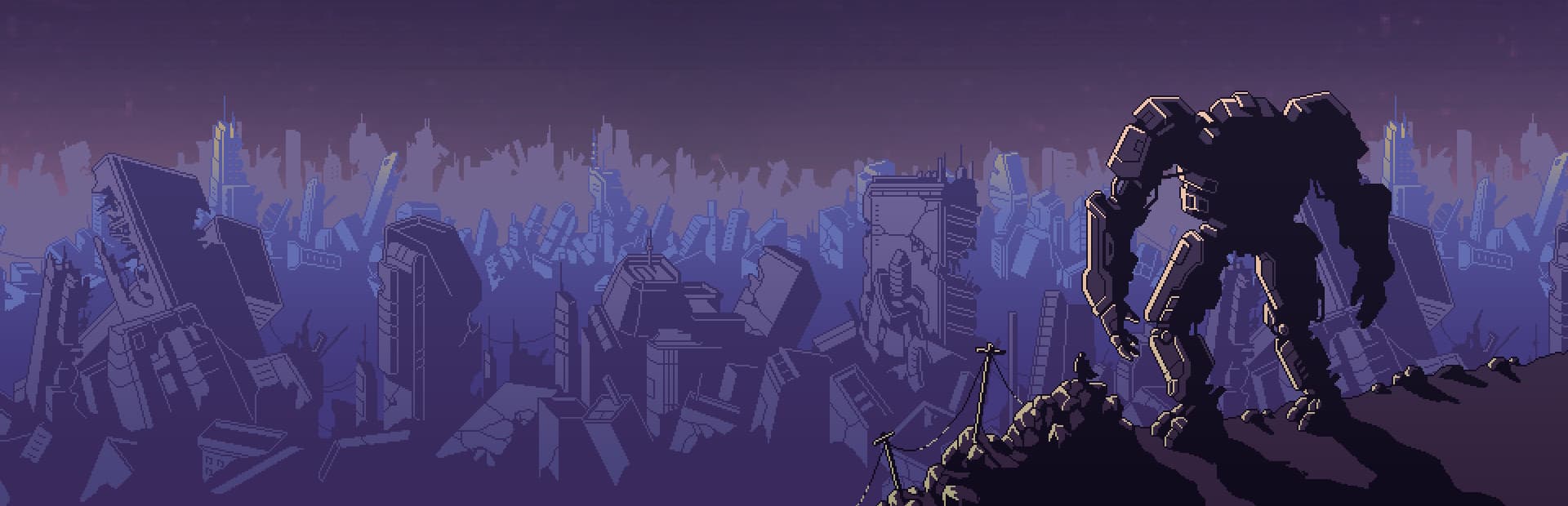
Carefully weighing a small set of moves before acting
Into the Breach makes tactical battles a puzzle of positioning, damage and protecting buildings. Enemy intentions are visible, so each turn asks what can be prevented and what must be sacrificed.

Making tense command decisions with time to pause and plan
FTL puts you in charge of a spaceship's crew, power and survival across a changing route. Real-time encounters can be paused to think through repairs, weapons and scarce resources.