Chants of Sennaar suits players who enjoy working out an unknown writing system from scenes, signs and repeated gestures. The main trade-off is that words stay unreadable for a long stretch, so progress depends on patience with uncertainty. Skip it if you want clear translations, fast action or a constant objective marker.
How the game actually plays
Chants of Sennaar turns a tower of five separated peoples into a language-and-observation puzzle. You travel between distinct floors, watch how people act, inspect signs and objects, and listen for repeated patterns. The glyphs are invented, so the game does not hand you a vocabulary list; meaning grows from the situation around each symbol. Your notebook keeps the clues together, and translating a word can open a new way to understand the people who use it.
The useful choice is where to look before you guess. A symbol beside a workbench, a repeated gesture in conversation, or a mark near a guarded doorway can narrow several meanings at once. You compare those clues in the notebook, then test your interpretation in a scene. Some passages also ask you to move carefully past watchful characters, so progress alternates between close reading, exploration and brief stealth rather than combat-focused action.
Choose it if you enjoy deducing a writing system from context and noticing how a place tells its story. It suits patient puzzle players who like to keep their own notes and connect visual details. The trade-off is that the game deliberately leaves words unreadable for a while; if you want explicit translations, rapid action or a constant objective marker, that uncertainty may feel more like friction than discovery.
When a glyph is unclear, record where it appears and what the speaker or nearby object is doing instead of locking in a translation too early. Compare several examples before using the notebook to confirm a word. If a route stalls, look again for a visual detail that connects two groups, then return to the sentence or sign with that new clue. This keeps the mystery intact without relying on outside spoilers.
Start it when you can give it a steady block of time rather than a few spare minutes. The notebook rewards staying with one puzzle, and a session that ends mid-deduction can feel like lost progress. Expect the first hours to feel slow, because the game asks you to tolerate text you cannot read yet. That uncertainty is the design rather than a flaw, so decide in advance whether it reads to you as a puzzle or as a chore. Players who like to take notes from the first minute will settle into it faster than those who expect answers to arrive on their own.
Steam lists Chants of Sennaar as single-player only, so when a puzzle stalls, your notebook and the environment are the only help, with no partner to talk it through. The Steam Deck status is Verified and full controller support is listed, so the reading-and-note-taking loop works on a handheld as well as at a desk. Interface and subtitles are available in Korean and Japanese, but the invented writing stays unreadable in every language, so translation is something you earn in the game rather than a menu option. The only add-on is the soundtrack, so nothing essential is held back. Because it is Windows-only, Mac and Linux players should look elsewhere.
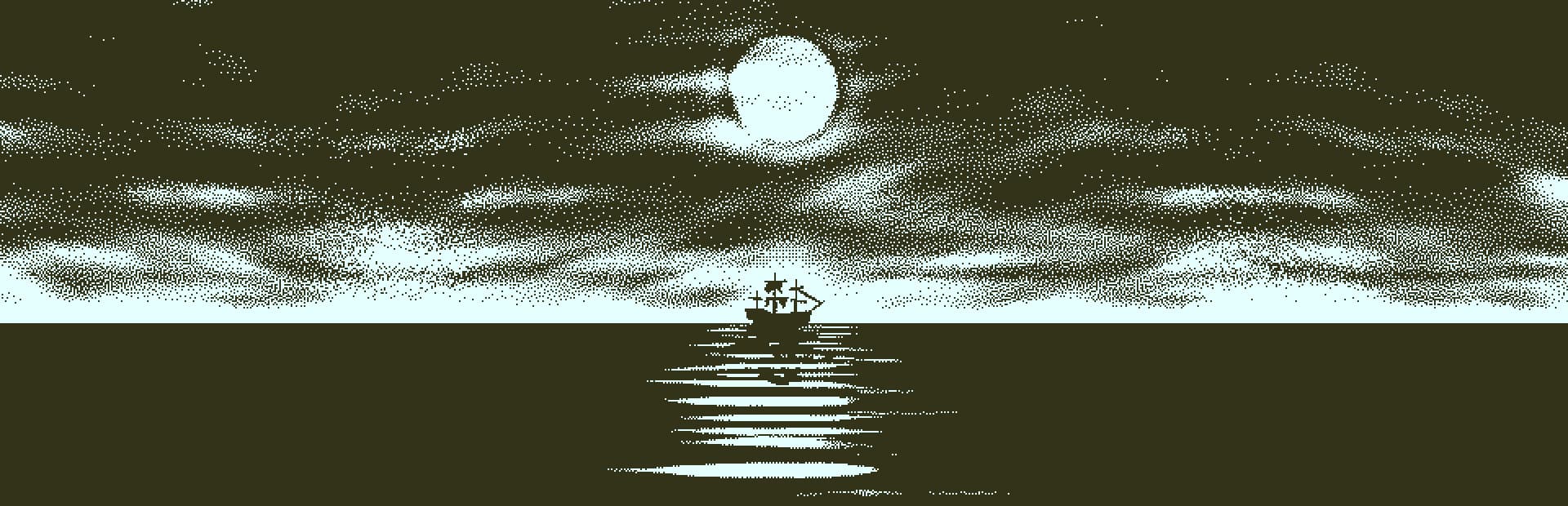
The closest comparison is Return of the Obra Dinn, which also asks you to piece together the truth from observed details. Obra Dinn gives structured entries and a clear sense of progress, so you can see what you have confirmed at any point. Chants of Sennaar keeps that record in your own hands: you build a vocabulary from signs, gestures and objects, and you choose what to write down. Both reward checking your conclusions before moving on rather than rushing to a final answer. Pick Obra Dinn if you want a logic puzzle with defined checkpoints, and pick Chants if you enjoy building your own dictionary of an invented language.
Consider it if you want
Choose it if you enjoy deducing a writing system from context and noticing how a place tells its story.
The useful choice is where to look before you guess.
When a glyph is unclear, record where it appears and what the speaker or nearby object is doing instead of locking in a translation too early. Compare several examples before using the notebook to confirm a word. If a route stalls, look again for a visual detail that connects two groups, then return to the sentence or sign with that new clue. This keeps the mystery intact without relying on outside spoilers.
You might prefer something else if
Choose it if you enjoy deducing a writing system from context and noticing how a place tells its story. It suits patient puzzle players who like to keep their own notes and connect visual details. The trade-off is that the game deliberately leaves words unreadable for a while; if you want explicit translations, rapid action or a constant objective marker, that uncertainty may feel more like friction than discovery.
Chants of Sennaar beginner tips
Treat each glyph as a word, not a soundThe writing is logographic, so one symbol usually stands for a whole word rather than a syllable. Trying to sound a glyph out will get you nowhere, so match it to a meaning instead.
Read the sign and the shop togetherA sign above a shop can name what that shop sells, so compare the glyph with the object beside it. Write the match down before you test it in other scenes.
Pair each word in the diary with its drawingNew words are recorded in the diary alongside their drawings, so the picture is part of the entry. Note where a drawing appears so you can find the word again when it turns up elsewhere.
Let the scene narrow the meaningCommon sense and what the characters are doing help you reduce a word to a few candidates before you commit. Keep uncertain candidates in the diary rather than forcing one answer early.
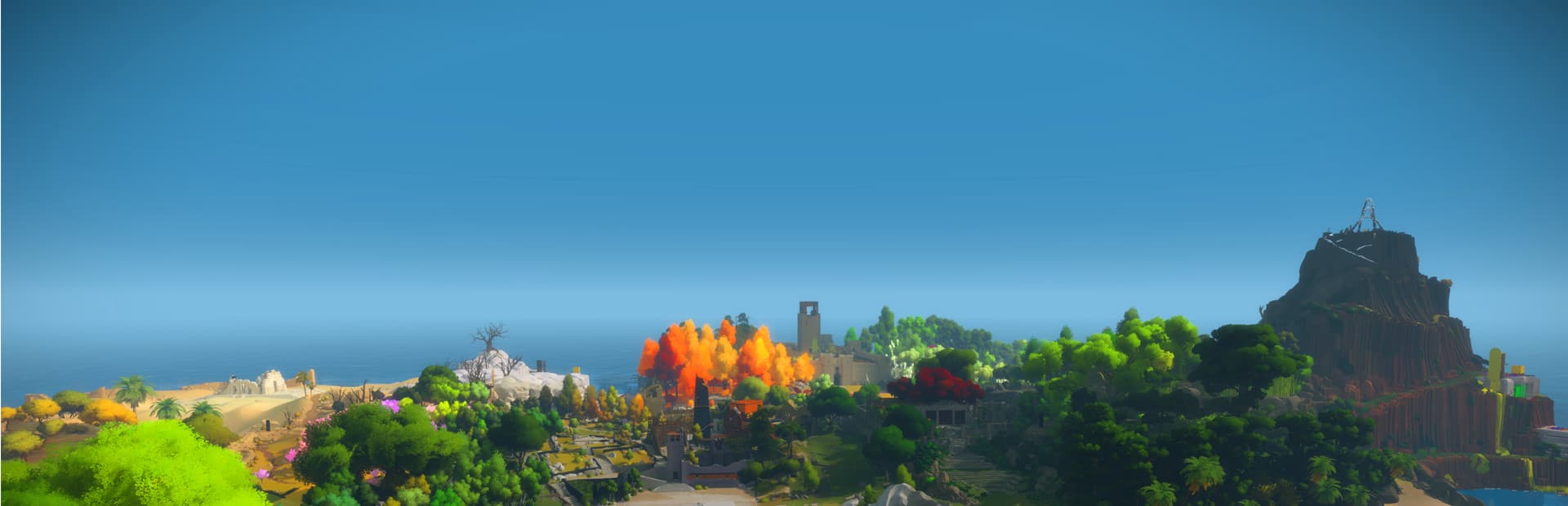
Pick The Witness if you want a whole island of self-contained puzzles that teach their rules through examples rather than through an invented writing system. It asks for the same patience and close looking, but its clues are visual and mechanical instead of linguistic.
Pick Outer Wilds if exploration and gathered knowledge matter more to you than decoding. Its discoveries happen across a solar system you can revisit, which suits players who build understanding from places rather than from text.
Frequently asked questions
Does Chants of Sennaar work on Steam Deck?
Yes. Steam rates Chants of Sennaar Steam Deck Verified, so it should run and control well with the default settings.
Can you play Chants of Sennaar with a controller?
Yes. Steam lists full controller support for Chants of Sennaar.
Does Chants of Sennaar have co-op or multiplayer?
No. Steam lists Chants of Sennaar as single-player only.
Should I read a walkthrough before starting?
A walkthrough reveals the glyph meanings the game expects you to work out yourself, so the discovery would be lost. Use one only after you have been stuck on the same passage for a long time, and read just the step you need.